
The Silent Stress Brain Erosion Epidemic: How Chronic Stress Is Eroding Your Brain and What to Do About It
We all know stress. The tight deadline, the pile of unread emails, the feeling of that knot in your stomach when things feel just a bit too much. But what happens when stress isn’t the one-off alarm bell, but a constant hum in the background, silent stress that gradually chips away not just at your mood or sleep, but at your brain itself? That’s what I mean by silent stress brain erosion. And the truth is: it’s more common than we realise, it creeps in quietly, and it demands our attention.
In this article, we’ll explore what silent stress brain erosion means, how chronic stress affects brain structure and function, why it often goes unnoticed, and most importantly, what you can do about it. We’ll use recent research to anchor our understanding, include practical actionable strategies, and help you reclaim your cognitive health and mental clarity.
What Is Silent Stress Brain Erosion?
When I say silent stress brain erosion, I’m referring to the process by which chronic stress, ongoing, unrelenting, low-grade or moderate stress that never quite leaves you, gradually impacts your brain’s structure, neural networks, and cognitive function. It’s silent because it often doesn’t announce itself with a dramatic event; instead, it shows up as slowly accumulating wear and tear on your brain’s ability to think, remember, regulate emotion, and stay resilient.
Here’s what’s going on behind the scenes:
- Chronic activation of your stress response system (the HPA axis, cortisol release, sympathetic nervous system) keeps your brain and body in a higher-alert state than is healthy.
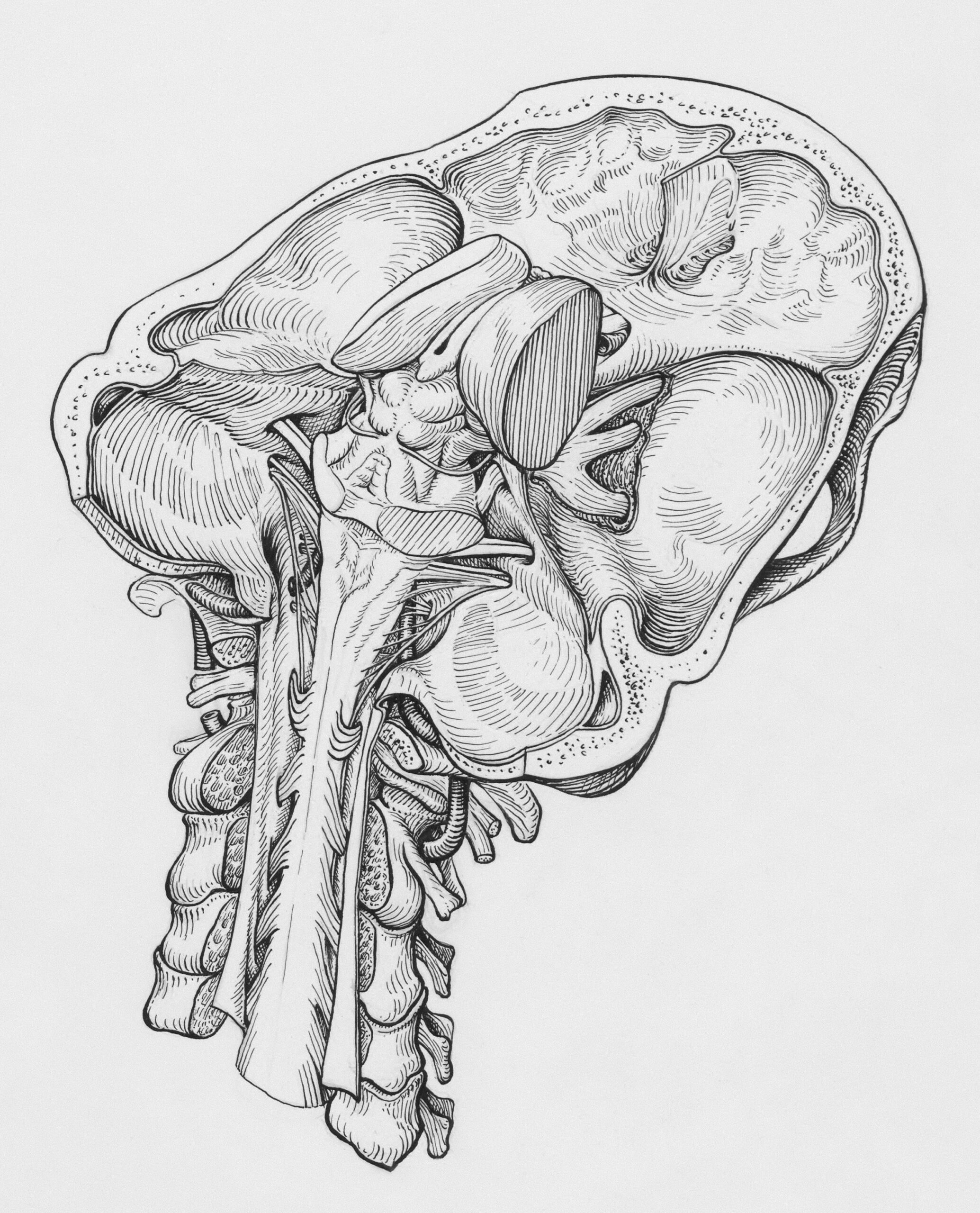
- Over time, this persistent activation drives changes in brain regions like the hippocampus (memory centre), prefrontal cortex (decision-making, executive control) and the amygdala (emotion, threat detection). Studies show structural changes including reduced volume and altered connectivity in these regions. (PubMed)
- These changes aren’t just microscopic, they lead to real-world effects: memory lapses, brain fog, poorer decision-making, emotional reactivity, slower cognitive processing.
- Because the process is gradual and insidious, you may not notice until you’re well into the damage. Routines become harder, focus slips, mood becomes less stable, but you blame it on “just a busy time” or “getting older”.
In short, silent stress brain erosion is an epidemic of sorts: one where the stress doesn’t shout, but whispers, and the damage builds quietly.
How Chronic Stress Erodes Your Brain
The stress-response system: designed for bursts, not decades
Your brain is beautifully wired for handling short-term threats. The HPA (hypothalamic–pituitary–adrenal) axis and the sympathetic nervous system are designed to help you respond to danger: adrenaline, cortisol, heightened alertness. What isn’t built into our biology is the expectation of constantly elevated stress levels. When stress becomes chronic, the system stays switched on, leading to what’s known as “allostatic load” or overload. (PubMed)
In this state your brain is constantly diverting energy and resources to survival mode rather than sustained higher-order tasks like learning, emotional regulation or long-term memory.
Structural and functional changes in the brain
Let’s break down how silent stress brain erosion physically affects your brain:
| Brain Region | What Chronic Stress Does | Why It Matters |
|---|---|---|
| Hippocampus | Chronic stress is associated with reduced hippocampal volume, fewer new neurons, impaired insulin-signalling in hippocampus. (BioMed Central) | Key centre for memory formation and learning; damage leads to memory lapses. |
| Prefrontal Cortex (PFC) | Reduced connectivity or activity in PFC, meaning less capacity for executive control, attention and decision making. (Harvard Health) | If your PFC is less resilient, you struggle with focus, impulse control and planning. |
| Amygdala | May become hyper-reactive under chronic stress, increasing emotional reactivity and fear/anger responses. (Allied Academies) | This shifts your brain toward threat mode instead of growth mode. |
| Neural networks and connectivity | Chronic stress leads to altered network balance: default-mode, salience, central-executive networks shift in their connectivity and function. (Allied Academies) | These network changes mean your brain may over-focus on threats or rumination and under-utilise higher-order thinking. |
What’s important to highlight: these are not just “mental” problems like feeling stressed or anxious. They reflect physical, measurable brain changes—which is why I use the word “erosion”.
Cognitive, emotional and long-term fallout
What does all that structural change feel like from the inside of your head? Here are common results of silent stress brain erosion:
- Memory troubles: forgetting names, misplacing items, struggling to recall what you just read.
- Brain fog: you feel like you’re working in slow-motion, less mental sharpness than you’re used to.
- Poorer decision-making: tasks that previously felt straightforward now feel more effortful.
- Emotional reactivity: you’re more irritable, more anxious, perhaps more prone to mood swings.
- Sleep disturbances: insomnia or fragmented sleep that, in turn, worsens brain recovery.
- Reduced resilience: you bounce back more slowly from setbacks, and setbacks feel heavier.
- Increased risk over time: research links chronic stress with higher risk for cognitive decline, depression, anxiety and perhaps later-life brain dysfunction. (ind.org)
So, it’s a cascade: chronic stress → physiological and brain changes → cognitive & emotional signature → long-term risk.
Why Silent Stress Brain Erosion Often Goes Unnoticed
- Gradual onset: Unlike a stroke or major trauma, the changes happen slowly. Day-by-day you may not feel much different, but months or years later you recognise something has changed.
- Normalised stress culture: In many work/life environments, high stress is seen as “just how things are”. We lionise busyness or constant hustle. That normalisation means the damage doesn’t trigger alarm.
- Attribution errors: You might attribute forgetfulness, irritability or lower performance to age, being busy, sleep deprivation, rather than underlying brain changes.
- Lack of immediate dramatic signals: There’s no dramatic “brain breakdown” moment for many people who are in the early or moderate phases, so the warning signs slip under the radar.
- Brain compensation: Early on your brain uses reserve capacity to compensate. You might still function “okay” for a while. It’s when reserves run low that the slip becomes obvious.
Because of all that, silent stress brain erosion can run unchecked until the signs are harder to ignore.
The True Cost: Why It Matters Beyond “Just Feeling Stressed”
If you’re thinking, “Okay, but so what if I forget things or feel a bit foggy,” here’s why it’s more serious:
- Your quality of life declines: everyday tasks become harder, your enjoyment of life, creativity and relationships can suffer.
- Your work performance and productivity can drop. If your brain is in survival mode, you’re using energy just to stay afloat rather than thrive.
- Your emotional wellbeing won’t be at its best, unmanaged stress is often a root for anxiety, depression and emotional exhaustion.
- Your long-term brain health is at stake: structural changes in the brain are linked to future risk of cognitive decline. The brain wants plasticity and resilience; chronic stress undermines both.
- You lose resilience: your capacity to adapt, bounce back, learn new things, and handle future stressors is decreased.
In other words: silent stress brain erosion is not just a cosmetic problem, it’s a deeper threat to your brain’s structure, function and future.
What to Do About Silent Stress Brain Erosion: A Four-Stage Protective Plan
There’s good news: the brain is plastic. With consistent action you can slow, stop and in many cases reverse the effects of silent stress brain erosion. Here is a structured plan you can adopt:
Stage 1: Awareness & Early Tracking
Start by noticing and tracking how stress is showing up in your life and how your brain is performing.
- Keep a simple daily log for a week:
- Stress level (1-10)
- Memory/attention issues noticed (yes/no)
- Mood/emotional regulation (on a scale)
- Sleep quality
- Identify key stressors in your life: work overload, family demands, poor sleep, digital overload, lack of recovery.
- Ask yourself: Are there patterns? Are my memory/focus/emotion worse when stress is higher?
- This awareness will help you identify when silent stress brain erosion might be starting and move you from “reactive” to “proactive”.
Stage 2: Lifestyle Foundations ; Protecting Your Brain
These are the foundational habits that protect your brain against erosion.
- Sleep: Aim for consistent, quality sleep. The brain clears metabolic waste, consolidates memory, and recovers during sleep. (vaidam.com)
- Physical exercise: Regular aerobic exercise, strength training and movement support hippocampal health, neuroplasticity and mood. (vaidam.com)
- Nutrition: Focus on a brain-friendly diet: leafy greens, fatty fish, nuts, whole grains, avoid chronic excessive caffeine/alcohol. Nutrient deficiencies and inflammation worsen brain stress. (vaidam.com)
- Recovery and rest: Make sure your schedule includes real downtime, not just collapse on the couch after work, but intentional rest, hobbies, time away from screens.
- Social connection: Building and maintaining strong relationships reduces stress load and supports emotional regulation and brain health.
Stage 3: Specific Brain-Support Habits
These habits directly support brain structure, cognitive clarity and emotional resilience.
- Mental challenge: Continuously engage your brain, learn a new skill, pick up a new language, do puzzles, read books outside your comfort zone. These stimulate hippocampus and PFC.
- Structured transition time: After a stressful event (e.g., a heated meeting, crisis), allow 10–15 minutes of “cool-down” before diving into the next task. This helps the brain move out of threat mode.
- Boundary-setting: Practice saying no, delegating work, limiting digital overload. A brain in constant vigilance has less capacity for growth.
- Reflective practice: Journaling, mindfulness, or simply reflecting on your day can help shift your brain out of the default threat-mode and into learning/regulation mode.
Stage 4: Targeted Stress-Reduction Tactics
When you’ve built the foundation, these tactics help you dismantle the silent stress brain erosion that may already be underway.
- Deep breathing / Autonomic reset: Techniques like box-breathing (4-4-4-4), the 4-7-8 breath, or mindful breath awareness help shift your nervous system away from “fight/flight” and into restoration.
- Progressive muscle relaxation (PMR): This method, where you systematically tense and then relax muscle groups, helps clear physical tension that accumulates and impacts the brain via the body–mind interface.
- Mindfulness and meditation: Regular sessions (even 10 minutes/day) support emotional regulation, reduce rumination, and reduce cortisol levels. (vaidam.com)
- Cognitive reframing and active coping: Notice when your mind is stuck in “what if” loops or perpetual rumination. Develop the habit of asking: “Is this thought helpful? What next positive step can I take?”
- Professional support: If memory issues, mood shifts or cognitive decline are significant, consult professionals, therapists, psychologists, neurologists. Early intervention matters. (Harvard Health)
Quick-Reference Comparison: Unmanaged Stress vs Managed Stress
| Feature | Unmanaged Chronic Stress | Managed Stress (Protective Mode) |
|---|---|---|
| Stress hormone baseline | Elevated for prolonged periods | Peaks during stress, returns to baseline |
| Brain region impact | Hippocampal shrinkage, PFC weakening, amygdala over-reactivity (PubMed) | Preservation or improvement of brain structure/connectivity |
| Cognitive performance | Memory lapses, poor focus, decision fatigue (ind.org) | Better mental clarity, stronger focus, efficient decision-making |
| Emotional regulation | Irritability, anxiety, mood swings | Stable mood, better emotional control |
| Long-term risk | Increased risk of cognitive decline, mood disorders (Harvard Health) | Reduced risk, improved long-term brain health |
| Recovery capacity | Slowed, compromised | Stronger, faster, more robust |
A Real-Life Scenario: Seeing the Signs Before It’s Too Late
Meet Amina, a marketing manager in her early 40s, living in Port Harcourt. For several years she’s juggled increasing responsibilities at work, deadlines, remote-meet virtual team demands, and family (children, ageing parents). She’s a high achiever, known for her drive, and prides herself on being “on top of everything.”
Lately, though, she’s noticed small but persistent shifts:
- She misplaces her phone more often, or forgets a client’s name momentarily.
- She feels less sharp in morning meetings and mid-afternoon she hits a mental slump.
- She’s more irritable at home; snapping over small things she used to brush off.
- Sleep feels lighter; she wakes up more often during the night, and tosses and turns.
- Even though she’s busy, she feels drained and less motivated for her usual after-work walk.
Because the changes are small, she tells herself: “It’s just a busy period,” or “I’m just getting older.” She pushes on. But what she doesn’t notice: her brain is gradually under strain. The hippocampus is under pressure, her PFC is working overtime to compensate, her network connectivity is shifting subtly. Silent stress brain erosion is underway.
If Amina paused now, acknowledged what was happening, tracked her stress and brain signs, then adopted foundational habits (sleep, exercise, mental challenge, rest) and targeted stress-reduction (breathing, boundaries, mindful transition), she could intervene, stop further erosion and begin rebuilding her brain’s resilience.
If she waits, the risk is steeper: deeper memory issues, bigger emotional swings, maybe even a wake-up call in the form of a health crisis or major cognitive shift.
Common Myths and Clarifications
- Myth: “If I feel fine, my brain must be fine.”
Clarification: Because silent stress brain erosion happens gradually, you may still “feel okay” while underlying brain changes accumulate. - Myth: “Stress only affects mood, not the brain’s structure.”
Clarification: In fact, chronic stress has been shown to affect brain volume, connectivity, and neuroplasticity in human and animal studies. (BioMed Central) - Myth: “Only big traumas cause brain damage.”
Clarification: While acute trauma certainly has effects, the continuous low-grade stress many of us experience is enough to produce meaningful brain changes. - Myth: “It’s too late to fix the damage.”
Clarification: The brain retains plasticity across the lifespan. With consistent habits and targeted action you can slow, stop and often reverse many of the effects.
Implementing Your Plan: 30-Day Kickstart
Here’s a practical 30-day plan you can use to begin reversing silent stress brain erosion. If you follow it, you’ll build up momentum, gain awareness and develop protective habits.
Week 1: Establish Awareness & Light Habits
- Day 1: Spend 10 minutes tracking your stress level, mood, memory/focus for today.
- Day 2–7: Continue daily tracking. Add a 5-minute morning breath practice. Go for a brisk 20-minute walk every other day.
- Evaluate: At end of week note two patterns you’ve observed (e.g., “Foggy mid-afternoon when I skip lunch” or “Memory lapses on busy days”).
Week 2: Build Foundational Habits
- Prioritise sleep: pick a consistent bedtime and wake time.
- Add brain-friendly snacks (nuts, greens, oily fish) and reduce evening screen-time by 30 minutes.
- Schedule one “downtime” slot where you do something non-work, non-screen (reading, hobby) for 30 minutes each day.
Week 3: Apply Brain-Support Habits
- Choose a “brain challenge” activity (learn something new or continue an existing hobby) for 20 minutes/day.
- Introduce a structured transition: after work, before you move to evening tasks, spend 10 minutes unwinding (walk outside, breathe, stretch).
- Set one boundary: no work email after designated time, or set firm end-of-day ritual.
Week 4: Deepen Stress-Reduction Tactics
- Add a 10-minute guided mindfulness or body scan meditation each day.
- Use progressive muscle relaxation for 5-10 minutes before bed.
- Pick one stressor you’ll tackle this week (say “no” to a new extra-task or delegate something).
- At end of week reflect: What improvements do you feel in mood, focus, memory? What still feels tough?
If you keep going beyond 30 days, you’ll build momentum, resilience and begin reversing silent stress brain erosion.
Conclusion: Don’t Wait Until the Alarm Sounds
We often wait for the alarm to blare: major memory loss, a breakdown, a diagnosis. But with silent stress brain erosion, the alarm is subtle. It’s the missed detail, the small memory lapse, the mood shift, the slower bounce-back. If you wait until you’re no longer functioning at a high level, the recovery will be harder.
Here’s the takeaway:
- Recognise that your brain deserves protection, not just from obvious threats, but from silent, accumulating stress.
- Notice the signs, track them, don’t dismiss them.
- Use the foundational habits (sleep, exercise, nourishment, rest), brain-support moves (mental challenge, transition time, boundaries) and targeted stress-reduction tactics (breathing, mindfulness, relaxation).
- Know that your brain is worth it. You’re not just protecting your “feel-good” state, you’re protecting your brain’s structure, function and long-term resilience.
Your brain doesn’t just want to survive, it wants to thrive. By taking action now, you can stop the silent erosion and reclaim your clarity, energy, focus and resilience.