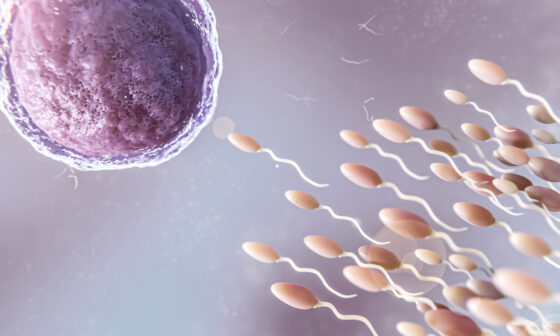

Doctors Are Finally Admitting Why Many IVF Cycles Fail
Introduction: Why Doctors Are Finally Admitting Why Many IVF Cycles Fail
If you’ve been navigating fertility treatments, you’ve likely heard: “IVF should work”… or “it’s just bad luck.” But the narrative is shifting. Increasingly, doctors are finally admitting why many IVF cycles fail — and it isn’t luck. It’s biology, timing, genetics, and sometimes even lab conditions that most patients never fully understand until they face a failed cycle themselves.
Understanding the reasons behind IVF failure isn’t about blaming yourself or your clinician; it’s about empowering your next steps with clarity and evidence. This article breaks down the latest insights doctors are acknowledging — backed by clinical sources and research — to give you deeper understanding and real answers. (fertilityfoundation.org)
What IVF Failure Really Means — Not Just a Negative Test
In vitro fertilization (IVF) is a complex medical process intended to create an embryo outside the body and transfer it into the uterus. But even when the steps seem successful — eggs retrieved, sperm fertilised, embryo transferred — many cycles still fail. Success rates vary dramatically based on age, embryo quality, and other factors, and many failures are not random: they reflect deeper biological and technical realities. (Wikipedia)
Before doctors were reticent to discuss these nuances, many patients were told vague explanations like “it’s just bad luck.” Today, scientific understanding has improved enough that clinicians are more openly discussing why IVF cycles fail — and these admissions can help guide smarter decisions for future attempts.
1. Embryo Implantation Failure — The Silent Majority of IVF Losses
One of the biggest reasons doctors are finally admitting why many IVF cycles fail is implantation failure — where a viable embryo doesn’t successfully latch to the uterine lining. Implantation is an incredibly delicate process, influenced by:
- Timing of the embryo transfer
- Thickness and receptivity of the endometrium
- Hormone balance (especially progesterone and estrogen)
- Molecular signaling between embryo and uterus
Even top-quality embryos may fail simply because the uterus wasn’t biologically ready — a factor that wasn’t always routinely evaluated in older protocols. (Wikipedia)
Common Signs of Implantation Failure
- Bleeding similar to a period
- No rising pregnancy hormone (β-hCG) after transfer
- Symptoms that fluctuate unpredictably after embryo transfer
Doctors are now increasingly using personalised timing tests and hormone monitoring to better align embryo transfer with the uterus’s implantation window, rather than guessing based on calendar alone.
2. Embryo Quality & Genetic Problems — Far More Common Than We Thought
Another key admission from fertility experts is that embryo genetic anomalies are a leading reason IVF cycles fail — even when lab development appears normal under the microscope. Many embryos fail because of chromosomal abnormalities (called aneuploidy), which prevent implantation or lead to very early miscarriage. (fertilityfoundation.org)
In fact, research shows that embryos often carry genetic errors resulting from mistakes during early cell division, and these errors are frequent even in embryos that look structurally healthy. (Columbia Medical Center)
Because these issues are usually invisible without genetic screening, doctors now increasingly recommend preimplantation genetic testing (PGT-A) to identify chromosomally normal embryos before transfer.
🔗 Learn more about the reasons IVF fails and embryo quality from the Fertility Foundation: https://www.fertilityfoundation.org/ivf-failure-why-did-my-ivf-cycle-fail
3. Hormonal and Endometrial Readiness — The Uterus Matters Just As Much as the Embryo
A failing uterus is more common than most people realise. Specialists now recognise that if the uterus isn’t receptive at the right time, even strong embryos will fail to implant. Conditions that affect implantation include:
- Thin or irregular endometrial lining
- Fibroids, polyps, or scar tissue
- Unbalanced hormone levels
- Endometriosis or inflammation
These issues weren’t always detected before embryo transfer, and many clinicians now advocate additional tests (like Endometrial Receptivity Analysis, ERA) to tailor hormone timing. (Biology Insights)
4. Age and Egg Quality — The Hard Biological Truth
Age remains one of the clearest predictors of IVF outcome — and one reason doctors are finally admitting why many IVF cycles fail. As women age, eggs undergo structural and chromosomal decline. Older eggs are more likely to produce embryos with abnormalities that cannot implant, even after a technically perfect transfer. (Dr. Senai Aksoy IVF)
This isn’t about blame — it’s biology. But knowing this upfront allows doctors and patients to make better choices about timing, egg banking, donor eggs, or tailored stimulation protocols.
5. Laboratory and Technical Factors — The Hidden Variables
Beyond biology, the technical side of IVF — lab conditions, embryo culture techniques, and embryologist expertise — plays a major role. Even tiny deviations in lab temperature, culture media quality, or timing can affect embryo viability. (Texas Fertility Center)
This aspect was once glossed over in patient consultations, but many fertility specialists now emphasise lab transparency, including:
- How embryos are graded
- Whether time-lapse imaging is used
- Quality controls for incubators
Quick Comparison: Why IVF Cycles Fail
| Cause Category | Example | Why It Matters |
|---|---|---|
| Embryo Genetic Errors | Chromosomal abnormalities | Prevents implantation or causes early loss |
| Implantation Issues | Uterine receptivity mismatch | Limits embryo attachment |
| Hormonal Imbalance | Progesterone deficiency | Affects uterine lining readiness |
| Egg Quality Decline | Age-related deterioration | Higher abnormal embryo rates |
| Lab & Technical Variables | Culture conditions | Impacts embryo development |
This table simplifies the main scientific reasons doctors are now openly discussing as leading contributors to IVF failure.
Why Transparency Is Growing — and What It Means for You
In the past, many patients were told things like “it’s just chance” or “it’s normal for IVF to fail.” But women and couples today are demanding — and receiving — deeper explanations. Doctors increasingly acknowledge that:
✔ Not all failures are random
✔ Many causes are biologically rooted
✔ Additional testing and personalised protocols matter
✔ Data from thousands of cycles can guide better decisions
This shift isn’t just about communication — it’s about science driving honest conversation about outcomes and improvement.
The Emotional Side: Failure Doesn’t Equal Defeat
Hearing why your IVF cycle failed can feel validating, but emotional grief often still follows. Knowing the biological reasons helps reduce self-blame and opens the door to actionable next steps. Many clinics now offer psychological support and counselling as part of IVF care — recognising that emotional wellbeing matters just as much as biological optimisation.
Conclusion: What This New Honesty Means for Your Future IVF Cycle
Understanding why doctors are finally admitting why many IVF cycles fail is not just empowering — it’s strategic. The science clearly points to areas where targeted testing, personalised protocols, and more transparent dialogue can improve future outcomes.
You now know that IVF failure can arise from:
- embryo abnormalities
- uterus receptivity issues
- hormonal imbalance
- age-related egg decline
- lab and technical variables
… and that doctors are increasingly acknowledging these factors as real, measurable, and often addressable in planning future attempts. (fertilityfoundation.org)
For further insight into the science behind IVF failure — and what fertility specialists say about embryo quality and implantation — check this comprehensive resource: 🔗 https://www.fertilityfoundation.org/ivf-failure-why-did-my-ivf-cycle-fail