Introduction: Unlocking the Secret Gene Switch for Longevity
When we think about living longer, the first thing that comes to mind might be an inherited gene or a “gift” from our parents. And yes, genetics do matter. But what if I told you that beyond the genes you were born with, there’s a secret gene switch for longevity — one you can influence with everyday lifestyle tweaks? In fact, research is increasingly showing that making the right changes in diet, movement, sleep, stress, and social connection may unlock this switch — and add up to 10 healthy years to your life.
In this post I’ll walk you through:
- what this “gene switch” is and why it matters;
- how lifestyle factors interact with our genes to extend healthy lifespan;
- practical tweaks you can make today;
- and a comparison table to help you prioritise.
Let’s dive in and make this feel like a conversation — real, relatable, and realistic.
What is the “secret gene switch” for longevity?
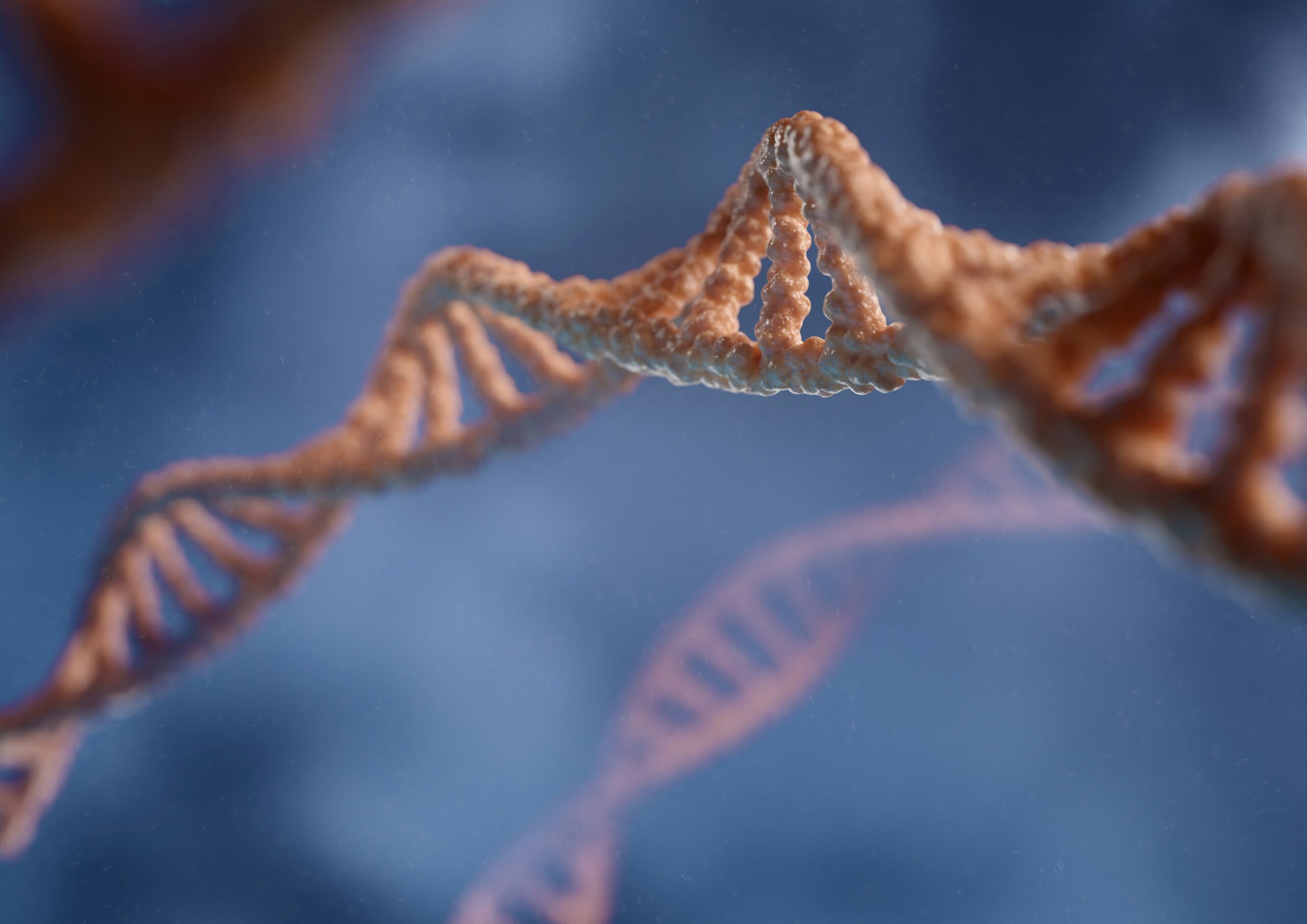
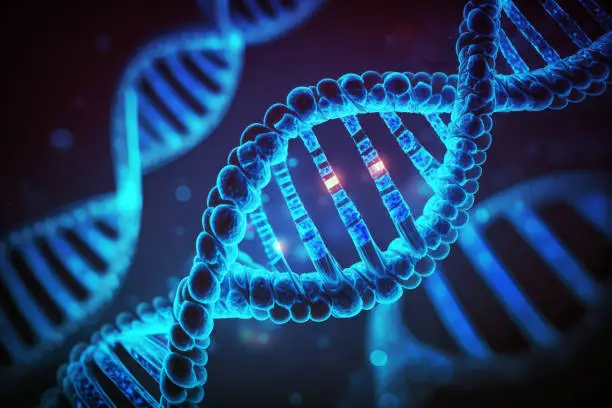
The phrase “secret gene switch for longevity” is a metaphor for how certain genes, gene-networks, and epigenetic regulators (that is, factors that turn genes on or off) influence how long and how well we live. Two big ideas stand out:
- Genetic variants associated with longer lifespan: For example, the gene FOXO3 is one of the most consistently reported genes linked with exceptional longevity. (Cambridge University Press & Assessment)
- Gene–lifestyle (epigenetic) interaction: Our genes don’t operate in a vacuum. Lifestyle, environment, and behaviour influence whether longevity-related genes are activated (or suppressed). For instance, a 2023 study found that a healthy lifestyle in late life significantly improved life expectancy even in people with less favourable genetic profiles. (The Lancet)
In short: the “switch” isn’t a literal button, but rather the way in which our everyday choices influence gene expression, cellular maintenance, repair mechanisms, and thus how we age—and whether we age well.
Why lifestyle matters even more than your DNA
You might wonder: if genes matter, am I just stuck with what I got? Thankfully—no. The interplay between genetics and lifestyle means you have powerful influence. Here’s what research says:
- Studies estimate only around 20-30% of human lifespan variation can be attributed to genetics, with the remainder strongly influenced by lifestyle and environment. (DNB Portal)
- A review pointed out that even though certain genes (like APOE and FOXO3) consistently correlate with longevity, only a small fraction of lifespan variation is explained by them—meaning environment and behaviour matter massively. (Cambridge University Press & Assessment)
- A recent 20-year prospective cohort found that a healthy lifestyle (diet, movement, sleep, stress) in older adults improved life expectancy, regardless of “favourable longevity genes.” (The Lancet)
The takeaway: Your lifestyle switches on or supports the genes and systems that promote longevity. You might not control all your genes, but you do control your daily habits.
The key lifestyle tweaks to flip the switch (and add healthy years)
Here’s where the actionable part comes in. Below are core areas you can focus on — each is supported by research and fairly simple to implement (with intention). I’ll keep the language human, not technical.
1. Nutrition: Feed your gene-switch
- Embrace whole, minimally-processed foods: vegetables, fruits, whole grains, legumes, nuts, fish.
- Consider dietary patterns proven in longevity-studies (e.g., Mediterranean-style). Remember: nutrients affect gene expression and repair mechanisms. (DNB Portal)
- Time-restricted eating or moderate calorie-restriction might support longevity pathways (e.g., reducing metabolic stress and activating repair genes).
- Limit excessive refined sugar, ultra-processed foods, and trans fats — they stress cellular maintenance.
2. Physical activity: Movement flips the switch
- Aim for both aerobic activity (walking, jogging, cycling) and strength/resistance training.
- Exercise activates key longevity-genes by improving mitochondrial function, reducing inflammation, and boosting repair.
- Even moderate activity beats sedentary behaviour. Consistency matters more than intensity for many people.
3. Sleep & recovery: Let your body repair
- Quality sleep is essential. Poor sleep undermines repair genes, hormonal balance, immune health. (topdoctors.co.uk)
- Aim for 7-9 hours of uninterrupted sleep; maintain consistent sleep timing; create a calm, dark, cool environment.
- Recovery also includes rest, downtime, and avoiding chronic stress (see next point).
4. Stress management & mindset: Calm influences genes
- Chronic stress raises inflammation, short-circuits repair, and interferes with gene-switching for maintenance and longevity.
- Practices like mindfulness, meditation, social connection, and purposeful activity help turn off “damage” genes and turn on repair ones.
- Research has shown mind-body techniques can affect gene expression (e.g., inflammation-related genes). (TIME)
5. Social connection & purpose: The unspoken switch
- People living the longest often have strong social ties, a sense of purpose, community participation, and meaningful daily roles.
- This isn’t fluff: social and psychological wellbeing influence gene expression tied to immune and repair systems.
- Make time for relationships, volunteering, hobbies, purpose-driven work or contributions.
6. Environmental & behavioural hygiene: Reduce damage triggers
- Avoid smoking, excessive alcohol, exposure to pollution, toxins — these create stress, DNA damage, inflammation.
- Sunshine (moderate), nature exposure, fresh air help too — they support mood, sleep and metabolic health, all of which feed into longevity-systems.
- Travel, novelty, learning new skills: stimulate brain plasticity, which supports long-term health.
How much can these tweaks realistically add?
You’re probably asking: okay, how many years could I add if I really commit? While we can’t guarantee “10 years” for everyone, there are strong signals. Let’s summarise.
| Lifestyle Factor | What Research Shows | Potential Additional Years of Healthy Life* |
|---|---|---|
| Favorable gene + healthy lifestyle | People with good gene profiles & good habits live longer and healthier. (The Lancet) | ~5-10 years above average lifespan |
| Less favorable gene + healthy lifestyle | Even those with “less favourable” longevity genes gain major benefits from lifestyle. (MDPI) | ~3-7 years or more |
| Healthy lifestyle regardless of genes | Lifestyle dominates genetics in many studies (genetics ≈20-30% of variation). (DNB Portal) | ~5-10 years (depending on baseline) |
| Unhealthy lifestyle | Increased risk of earlier morbidity/decline | Negative years, or fewer healthy years |
*Years are estimations based on cohort studies, not guarantees.
Note: The “10 years” is not a fixed promise but a motivational target. What’s more important is the quality of those years – fewer chronic diseases, better function, more vitality.
Why age matters less than healthy age
Adding years is one thing. Adding healthy years — years free from major illness, disability, and cognitive decline — is the real prize. That’s the concept of “healthspan” over merely “lifespan.”
The good news: the same gene-switch mechanisms that affect lifespan also influence healthspan — how well you move, think, sleep, live. When you focus on the lifestyle tweaks above, you’re working not just to live longer, but to live better.
Real-life story: “Turning the switch” in your own life
Imagine you’re 40, working long hours, irregular sleep, little time for exercise, high stress. You decide to make changes:
- You commit to 30 minutes of movement 5× a week (walking, bodyweight strength).
- You overhaul your diet: more plants, whole foods, less processed snacks.
- You prioritise sleep: set a 10 pm lights-out, dark room, no devices.
- You build stress relief: 10 minutes of mindfulness, a weekly hobby, reconnecting with friends.
- You reduce alcohol and start volunteering once a month for purpose.
Within 6-12 months you feel more energetic, your mood is better, you sleep deeper, you’re not getting sick as often. Over years, these habits accumulate. The “switch” metaphorically flips in your favour — your body repairs better, the genes tied to longevity support you, the inflammation and damage accumulate slower.
And it matters: each year you maintain these habits, you build a buffer of resilience. That’s how simple tweaks compound into meaningful gain.
Common Questions & Myths About Longevity and the Gene Switch
Q: Does having “bad” genes mean I’m doomed?
A: No. While genes play a role, many studies show lifestyle factors can offset genetic risk significantly. For example, healthy behaviour can mitigate the disadvantage of less favourable genes. (The Lancet)
Q: Can I just rely on supplements or “gene therapies” to switch longevity genes?
A: Not realistically yet. The gene-switch we’re talking about is a broad, natural effect of environment and lifestyle. There are no magic pills that replicate a whole life of good habits. Plus, many supplements lack robust evidence and carry risks.
Q: How soon will I see benefits?
A: Some benefits (energy, mood, sleep, recovery) may come within weeks-months. The deeper effects (reduced disease risk, improved aging trajectory) occur over years. Think of this as a long game.
Q: Are extreme measures needed (fasting 5 days, ultra-exercise regimes)?
A: Not necessarily. For most people, consistent, moderate improvements win over extremes that are hard to maintain. The goal is sustainable habits, not burnout.
Putting It All Together: Your Longevity Blueprint
Here’s a simple blueprint you can start following:
- Assess your current lifestyle honestly (sleep 6 h? exercise 1× /week? processed food daily?).
- Choose 2-3 key tweaks you can realistically adopt and stick to (e.g., bedtime at 10:30, three plant-based meals/week, walking before work).
- Schedule and commit: block it in your calendar, treat it as non-negotiable.
- Track your progress: sleep quality, mood, energy levels, weight/composition, strength. Celebrate wins.
- Expand gradually: once habits are solid, add more tweaks (social connection, volunteering, skill-learning, nature time).
- Stay consistent: longevity benefits are cumulative. Habits sustained over years win over bursts.
Remember: We’re not chasing immortality. We’re aiming for meaningful extra years — years of full health, purpose, energy, and connection. By harnessing the “secret gene switch” of lifestyle and gene-interaction, you’re tilting the odds in your favour.
Conclusion: Flip the Switch, Live the Extra Years
Let’s wrap this up: The “secret gene switch for longevity” isn’t mystical or out of reach — it’s rooted in your everyday choices and habits. While you can’t change your DNA, you can influence how that DNA expresses itself, how your cells repair and renew, how your body responds to stress, and how you age.
By focusing on the lifestyle tweaks above — nutrition, movement, sleep, stress management, social connection, environment — you tap into the gene-switch mechanism for longevity. You give yourself a shot at not just living longer, but living better.
And yes — if you stick with it, you could very well add 10 healthy years (or more) to your life. Not by chasing extremes, but by making sustainable, meaningful changes now.
So here’s your next step: choose one small tweak today, implement it this week, and commit to it for the long haul. Your future self will thank you.
Here’s to flipping the switch and living the extra years — with health, purpose, and joy.
Outbound Do Follow Links:
- For further detail on gene-lifestyle interactions in longevity: “Gene–Lifestyle Interactions in Longevity” at Cambridge.
- For the latest review on genetic & epigenetic mechanisms of ageing and longevity: “The Genetic and Epigenetic Arms of Human Ageing and Longevity” (Biology, 2025).
If you like, I can prepare a downloadable checklist or infographic you can share or save for your own habits. Would that be helpful?