Introduction: The Hidden Uterine Problem That Makes IVF Almost Impossible
For many couples navigating assisted reproductive technologies (ART), in vitro fertilization (IVF) feels like the final answer when natural conception doesn’t work. Yet for some, IVF repeatedly fails even with high-quality embryos. What’s going on? Often, the culprit isn’t the eggs or sperm — it’s a hidden uterine problem that makes IVF almost impossible.
But what exactly is happening inside the uterus? How can a uterus that looks “normal” on scans quietly sabotage implantation? And most importantly, what can be done about it?
This post explores the silent and devastating uterine factors that undermine IVF success, focusing especially on a condition that’s easily overlooked but clinically significant.
What Is the Hidden Uterine Problem That Makes IVF Almost Impossible?
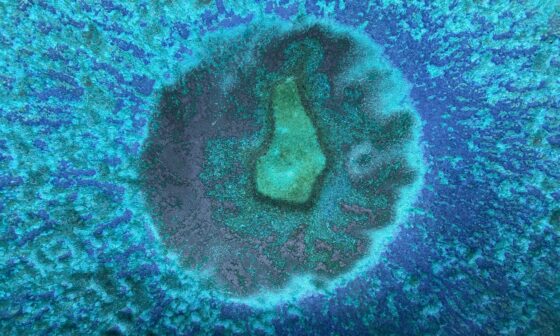
In many cases of unexplained IVF failure, the underlying issue is Asherman’s Syndrome – intrauterine scar tissue that alters the uterine cavity and endometrial function. This scarring can be so subtle that it’s missed on routine tests, yet severe enough to prevent a transferred embryo from implanting.
What Causes This Problem?
- Uterine procedures (especially dilation and curettage)
- Traumatic delivery or postpartum infection
- Multiple surgical procedures inside the uterus
- Inflammation or severe pelvic infections
According to medical research, scar tissue forms when the basal layer of the endometrium is damaged, leading to fibrous bands that stick the uterine walls together, a hallmark of Asherman’s Syndrome.(Cleveland Clinic)
Why It Matters: IVF Can Fail Even With “Good” Embryos
IVF success depends on two core elements:
- A viable embryo
- A receptive uterine lining
With the hidden uterine problem that makes IVF almost impossible, you can have high-quality embryos but still see implantation failure because the uterine environment is hostile or unreceptive.
Here’s how this plays out:
- Scar tissue replaces healthy endometrium → thinner lining = poor implantation receptivity
- Endometrial blood supply is compromised → embryo can’t embed properly
- Adhesions disrupt natural signals the embryo needs to “recognize” the uterus
- Uterine cavity shape may be distorted → embryo may implant in the wrong location
This isn’t just theoretical. Studies show that uterine anomalies and adhesions increase miscarriage rates and lower IVF success if untreated.(PubMed)
Symptoms of the Hidden Uterine Problem That Makes IVF Almost Impossible
Often subtle, symptoms may include:
- Low or absent periods (amenorrhea)
- Spotting or irregular bleeding
- Painful periods
- Recurrent IVF implantation failures
- History of uterine surgery
However, no symptoms at all does not rule out the problem, this is what makes it “hidden.”
How Doctors Detect This Barrier
Traditionally, fertility specialists use the following:
| Test | What It Detects |
|---|---|
| Hysteroscopy | Direct visualization of scarring and cavity distortion – gold standard |
| HSG (Hysterosalpingogram) | Outlines uterine cavity shape |
| Saline Sonogram | Detects adhesions and lining abnormalities |
| Ultrasound | Endometrial thickness and structure |
Among these, hysteroscopy is considered the most definitive because it allows direct treatment at the time of diagnosis.(PMC)
Table: How This Condition Blocks IVF Success
| Mechanism | How It Impacts IVF |
|---|---|
| Scar Tissue (Adhesions) | Obstructs embryo access and reduces lining receptivity |
| Thin Endometrium | Fails to support embryo implantation and growth |
| Distorted Cavity | Embryo implants poorly or not at all |
| Reduced Blood Flow | Causes poor embryo nourishment & higher miscarriage rates |
The Science Behind the Problem
Medical literature shows that intrauterine adhesions are not just cosmetic. They alter the lining’s ability to regenerate and become receptive to an embryo. Histologic studies demonstrate that a thin or atrophic endometrium is less responsive to hormonal signals, meaning even hormonal IVF protocols can fail to make the uterus receptive.(SpringerLink)
How Common Is This Hidden Barrier?
While data varies by population and diagnostic strategy:
- Intrauterine adhesions appear in ~1.5% of infertility evaluations,
- But can occur in a higher proportion in women with recurrent IVF failure.(NCBI)
The Hidden Uterine Problem That Makes IVF Almost Impossible: Why Treatment Often Fails
Why the Hidden Uterine Problem That Makes IVF Almost Impossible Is So Often Missed
One of the most frustrating realities in fertility medicine is this:
many patients undergo multiple IVF cycles without anyone fully evaluating the uterus beyond surface-level imaging.
Here’s why the hidden uterine problem that makes IVF almost impossible frequently escapes detection:
- Standard ultrasounds may appear “normal”
- Hormone levels can be optimal
- Embryos may be genetically normal
- Doctors often focus on ovaries and embryos, not uterine micro-environment
Yet implantation is not just about embryo quality, it is about whether the uterus is biologically prepared to accept life.
The Endometrium: Where IVF Success Is Won or Lost
The hidden uterine problem that makes IVF almost impossible primarily damages the endometrium, the uterine lining responsible for implantation.
A healthy endometrium must:
- Grow to adequate thickness (usually ≥7–8 mm)
- Have proper blood flow
- Respond to estrogen and progesterone
- Contain receptive molecular signals (integrins, cytokines)
When scarring or inflammation is present:
- Endometrial cells regenerate poorly
- Blood supply is disrupted
- Hormonal response becomes blunted
- Implantation signals fail
This explains why some women hear:
“Your embryos are perfect, but they just won’t stick.”
How the Hidden Uterine Problem That Makes IVF Almost Impossible Affects IVF Cycles
During Embryo Transfer
Scar tissue can:
- Block catheter placement
- Distort the uterine cavity
- Prevent accurate embryo positioning
After Transfer
- Embryo cannot fully attach
- Placental development is impaired
- Early miscarriage risk increases
- Biochemical pregnancies become common
This leads to a devastating pattern:
Repeated IVF failure without a clear explanation
Common IVF Red Flags That Point to This Hidden Uterine Problem
If any of the following apply, the hidden uterine problem that makes IVF almost impossible should be investigated aggressively:
- Two or more failed embryo transfers
- Thin endometrial lining despite high estrogen
- Poor lining growth in medicated cycles
- History of miscarriage after IVF
- Reduced or absent menstrual flow
- Prior uterine procedures or infections
Treatment Options for the Hidden Uterine Problem That Makes IVF Almost Impossible
1. Hysteroscopic Adhesiolysis
This is the gold-standard treatment.
- Scar tissue is cut under direct visualization
- Uterine cavity is restored
- Healthy tissue is preserved
Important: Success depends heavily on the surgeon’s skill. Incomplete removal leads to recurrence.
2. Hormonal Endometrial Regeneration
After surgery, doctors often prescribe:
- High-dose estrogen therapy
- Sequential progesterone
- Prolonged hormonal support
This encourages:
- Endometrial thickening
- Regrowth of functional lining
- Restoration of receptivity
3. Mechanical Barriers to Prevent Re-Scarring
To stop adhesions from reforming, clinicians may use:
- Balloon catheters
- Intrauterine devices (temporary, non-contraceptive)
- Anti-adhesion gels
These keep uterine walls apart during healing.
4. Regenerative & Adjunct Therapies (Emerging Options)
For stubborn cases of the hidden uterine problem that makes IVF almost impossible, advanced clinics may explore:
- Platelet-rich plasma (PRP) therapy
- Growth factor infusions
- Stem-cell-based experimental protocols
While not universally available, these therapies aim to revive damaged endometrial tissue.
Table: Treatment Pathway for the Hidden Uterine Problem That Makes IVF Almost Impossible
| Stage | Goal | Expected Outcome |
|---|---|---|
| Diagnosis | Identify adhesions & damage | Accurate mapping of uterine cavity |
| Surgery | Remove scar tissue | Restored cavity shape |
| Hormonal Therapy | Regenerate lining | Improved thickness & receptivity |
| Prevention | Avoid recurrence | Long-term uterine health |
| IVF Retry | Transfer embryo | Increased implantation success |
Why Some Treatments Fail Despite “Doing Everything Right”
Even with surgery and hormones, failure can still occur if:
- Scar tissue is extensive or recurrent
- Basal endometrial layer is severely damaged
- Blood supply cannot be restored
- Healing window is too short before IVF
- Underlying inflammation persists
This is why timing matters. Many experts recommend waiting 2–3 natural cycles post-treatment before attempting IVF again.
Emotional Impact of the Hidden Uterine Problem That Makes IVF Almost Impossible
Beyond the medical complexity, this condition carries a heavy emotional toll:
- Self-blame despite doing everything right
- Financial strain from repeated IVF cycles
- Loss of trust in treatment
- Emotional exhaustion and grief
Understanding the real cause can be emotionally liberating, even before success arrives.
The Hidden Uterine Problem That Makes IVF Almost Impossible: What Happens After Treatment
IVF Success Rates After Treating the Hidden Uterine Problem That Makes IVF Almost Impossible
Once the hidden uterine problem that makes IVF almost impossible is properly diagnosed and treated, outcomes can improve significantly, but expectations must be realistic.
What the Evidence Shows
- Mild to moderate cases often show marked improvement in implantation
- Severe cases may see partial recovery, not full normalization
- Success depends on:
- Extent of scarring
- Quality of surgical repair
- Endometrial regenerative capacity
- Post-treatment healing period
Clinically, many fertility specialists report that IVF success can double in well-managed cases compared to untreated uterine pathology.
When IVF Still Fails After Addressing the Hidden Uterine Problem
Even after optimal care, IVF may remain unsuccessful in some women. This is not failure, it is biology setting limits.
Reasons IVF May Still Be Almost Impossible
- Permanent damage to the basal endometrial layer
- Recurrent intrauterine adhesions
- Chronically thin, non-responsive lining
- Impaired placental development potential
In such cases, continuing IVF without reassessment only compounds emotional and financial strain.
When to Reconsider IVF With the Hidden Uterine Problem That Makes IVF Almost Impossible
It may be time to pause or rethink IVF if:
- There are three or more failed transfers after treatment
- Endometrial thickness remains <6 mm
- Adhesions recur repeatedly
- Miscarriages persist despite correction
This moment requires compassion, not pressure and a broader view of family-building options.
Alternative Paths When IVF Is Blocked by the Hidden Uterine Problem
When the hidden uterine problem that makes IVF almost impossible cannot be fully reversed, other options may provide fulfillment and success.
Viable Alternatives Include:
- Gestational surrogacy (uterus-related issues bypassed)
- Adoption or fostering
- Donor uterus research programs (experimental)
- Child-free living by choice. a valid and dignified decision
Each path deserves respect and careful emotional processing.
Natural Support Strategies (Adjunct, Not Replacement)
While no natural remedy can remove scar tissue, supportive measures may help optimize uterine health alongside medical care.
Supportive Approaches
- Anti-inflammatory nutrition
- Adequate iron and vitamin D
- Stress reduction and sleep optimization
- Gentle pelvic blood-flow therapies
- Avoiding unnecessary uterine procedures
These do not cure the hidden uterine problem, but they may support recovery and overall reproductive health.
Table: Decision Guide for the Hidden Uterine Problem That Makes IVF Almost Impossible
| Scenario | Recommended Path |
|---|---|
| Mild adhesions, responsive lining | Proceed with IVF |
| Moderate scarring, partial response | Delay IVF, optimize healing |
| Severe recurrent adhesions | Consider alternatives |
| Emotional exhaustion | Pause, seek counseling |
| Medical dead-end | Redefine success |
What Doctors Often Don’t Say: But Patients Need to Hear
The hidden uterine problem that makes IVF almost impossible is not your fault.
- It is not caused by poor lifestyle choices
- It is not punishment
- It is not a personal failure
It is a medical condition, often iatrogenic, that requires transparency, skill, and patience.
Final Thoughts: Reclaiming Power After the Hidden Uterine Problem
Knowledge is power.
Understanding the hidden uterine problem that makes IVF almost impossible transforms confusion into clarity and despair into informed choice.
Whether IVF eventually works, or a different path unfolds, what matters most is this:
Your worth is not defined by implantation rates or medical outcomes.
Final Takeaway
- Repeated IVF failure demands uterine evaluation
- Scar tissue and endometrial damage are common but overlooked
- Treatment can restore hope, but not always certainty
- Knowing when to persist and when to pivot is strength