
Introduction: Why Most Women Don’t Understand Their Hormonal Fertility Window
When it comes to fertility, timing is everything but most women don’t realize how variable and complex their fertile window really is. Many are taught to assume ovulation happens on day 14 of a 28-day cycle, but science paints a very different picture.
A landmark study published in The BMJ found that only about 30% of women’s fertile windows fall entirely within the “textbook” cycle days 10 to 17 meaning most women are actually fertile much earlier or later than they think. (BMJ)
This blog will explore:
- What the hormonal fertility window most women miss really means
- Why relying on calendars or apps alone can be misleading
- How hormones like estrogen and LH determine your true fertile days
- Practical ways to detect your window using real indicators
We’ll break all of this down in a conversational, easy-to-understand way, no heavy biology lecture here and give you simple tools to optimize your chances of conceiving or tracking your reproductive health.
What Is the Hormonal Fertility Window? (with Focus Keywords)
The hormonal fertility window most women miss refers to the period in a woman’s menstrual cycle when hormonal changes make conception possible, but it’s not always where you think.
Here’s the science:
- The fertile window spans the five days leading up to ovulation and the day of ovulation itself. (PMC)
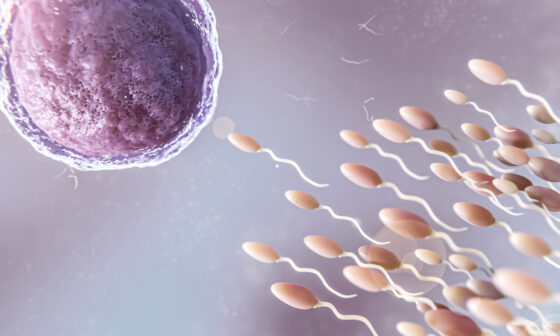
- Sperm can survive up to 5 days in the reproductive tract; eggs survive only about 12–24 hours after release. (FirstCry Parenting)
- The trigger for ovulation is a hormonal surge, especially luteinizing hormone (LH) that occurs roughly 24–48 hours before the egg is released.
But here’s the catch:
👉 The timing of this hormonal shift is highly individual and unpredictable. In one study, women were found to have a fertile window as early as day 6 and as late as day 21 of the cycle — even among women with regular periods. (PubMed)
That’s why counting to “day 14” is simply not an accurate method for understanding your fertile days.
Why Most Women Miss Their Actual Fertile Days
Most women miss their true hormonal fertility window because of:
1. Over-reliance on Calendar Estimates
Many fertility calendars assume:
- A 28-day cycle
- Ovulation exactly on day 14
But real cycles vary, significantly. Clinical research shows that ovulation can occur much earlier or much later than these predictions. (BMJ)
2. Misunderstanding Hormonal Signals
Your body communicates its fertility through hormones like:
- Estrogen — rises leading up to ovulation
- LH (Luteinizing Hormone) — spikes right before ovulation
- Progesterone — rises after ovulation
Tracking these hormones can give a far more precise view of your fertile window than counting days on the calendar.
3. Confusion Over Fertility Apps
Many period tracking apps make estimations rather than using real-time hormonal data. This can create misconceptions about when you’re truly fertile, a problem seen in large populations of women with incomplete knowledge of their fertile windows. (SpringerLink)
Hormonal Fertility Explained: How Your Body Signals Your Window
Let’s look at the hormones involved and what they actually mean for your fertile days:
Hormones and Your Fertile Window
| Hormone | Role in Fertility | When It Peaks |
|---|---|---|
| Estrogen | Thickens cervical mucus and prepares uterus | Days before LH surge |
| LH (Luteinizing Hormone) | Triggers ovulation | ~24–48 hrs before ovulation |
| Progesterone | Prepares the uterus after ovulation | After ovulation |
| FSH (Follicle Stimulating Hormone) | Stimulates follicle growth | Early follicular phase |
This hormonal dance creates your fertile window. Understanding it can help you time intercourse or interventions more effectively.
The Fertile Window Most Women Miss: Real Variability Matters
Here’s the surprising finding from clinical research:
👉 The fertile window doesn’t always fall between the “standard” days most guides teach. Many women reach their fertile window earlier or later than expected.
- In some women, the fertile window happens before day 10
- For others, it falls as late as day 21
- Only about 30% fit the old “day 10–17” model (BMJ)
This variability is exactly why the hormonal fertility window most women miss goes undetected especially if you’re relying only on dates rather than hormones.
Signs You May Be in Your True Fertile Window
Hormones show up in your body, not just on paper. Here are real cues that align with hormonal fertility:
Common Indicators of Your Fertile Window
- Changes in cervical mucus (clearer, stretchy, egg-white like)
- Mild ovulation cramps
- Slight increases in basal body temperature after ovulation
- Positive LH surge on ovulation predictor kits (OPKs) (FirstCry Parenting)
These signals reflect hormonal shifts and can help you catch your real window, not just the predicted one.
Why Simply Tracking Dates Isn’t Enough
Because your fertile window depends on hormone timing, not calendar days, traditional methods miss many fertile cycles.
In fact:
- A woman with a “regular” cycle can still ovulate much earlier or later than average
- Irregular cycles add even more unpredictability
- Hormonal birth control or health conditions can shift the timing significantly
This explains why the hormonal fertility window most women miss stays hidden and why knowledge alone isn’t enough without hormone awareness.
Understanding the Hormonal Fertility Window Most Women Miss Through Accurate Tracking
If there’s one thing that changes everything about fertility, it’s this: your hormones tell the truth — calendars only guess.
The hormonal fertility window most women miss often goes unnoticed because women are taught to track dates instead of hormonal patterns. But fertility isn’t a calendar event. It’s a biochemical process driven by fluctuating estrogen, luteinizing hormone (LH), follicle-stimulating hormone (FSH), and progesterone.
When you begin tracking these signals, you stop guessing and start seeing patterns.
Let’s break down how to accurately identify the hormonal fertility window most women miss.
Hormonal Fertility Window Most Women Miss: Tracking Methods That Actually Work
There are four primary ways to detect your hormonal fertility window most women miss:
1. Ovulation Predictor Kits (OPKs)
These tests measure the surge in luteinizing hormone (LH) in urine. The LH surge typically occurs 24–48 hours before ovulation, making it one of the most reliable short-term predictors.
Advantages:
- Simple to use
- Affordable
- Scientifically validated
- Detects ovulation before it happens
Limitation:
It predicts ovulation, but doesn’t confirm it occurred.
2. Basal Body Temperature (BBT)
BBT tracking involves measuring your resting temperature every morning before getting out of bed.
After ovulation, progesterone causes a slight rise in body temperature (about 0.3–0.5°C). This confirms ovulation has already happened.
Advantages:
- Confirms ovulation
- Useful for pattern recognition
Limitation:
It confirms after the fact, so it helps more with cycle understanding than real-time timing.
3. Cervical Mucus Monitoring
Estrogen stimulates the production of fertile cervical mucus. During your hormonal fertility window most women miss, mucus becomes:
- Clear
- Stretchy
- Slippery
- Similar to egg whites
This environment helps sperm survive up to five days.
Monitoring mucus gives insight into rising estrogen, meaning your fertile window is opening.
4. Advanced Hormonal Tracking Devices
Modern fertility monitors measure:
- Estrogen metabolites
- LH
- Sometimes progesterone
These provide a more complete hormonal picture rather than a single marker.
Comparison: Which Method Best Detects the Hormonal Fertility Window Most Women Miss?
| Tracking Method | Detects Before Ovulation? | Confirms Ovulation? | Accuracy Level | Best For |
|---|---|---|---|---|
| OPKs | Yes (LH surge) | No | High | Timing intercourse |
| BBT | No | Yes | Moderate | Cycle pattern analysis |
| Cervical Mucus | Yes (Estrogen rise) | No | Moderate | Natural tracking |
| Hormone Monitors | Yes | Some models confirm | Very High | Precision tracking |
The most accurate way to identify the hormonal fertility window most women miss is combining at least two methods, such as OPKs and cervical mucus tracking.
Lifestyle Factors That Influence the Hormonal Fertility Window Most Women Miss
Your hormones don’t operate in isolation. Lifestyle directly impacts the hormonal fertility window most women miss.
Even slight disruptions can shift ovulation by days and that shift can mean missing the window entirely.
Let’s examine the most powerful influences.
1. Stress and the Hormonal Fertility Window Most Women Miss
Chronic stress increases cortisol. Elevated cortisol can suppress the hypothalamic-pituitary-ovarian (HPO) axis — the hormonal pathway that regulates ovulation.
High stress may:
- Delay ovulation
- Shorten the luteal phase
- Suppress LH surges
If ovulation is delayed, your hormonal fertility window most women miss shifts later than expected.
2. Nutrition and the Hormonal Fertility Window Most Women Miss
Your reproductive hormones depend on adequate:
- Healthy fats
- Protein
- Iron
- Zinc
- Vitamin D
- B-complex vitamins
Nutrient deficiencies can impair estrogen production and ovulation timing.
A balanced diet supports consistent ovulatory cycles and stabilizes the hormonal fertility window most women miss.
3. Sleep and Circadian Rhythm
Melatonin influences reproductive hormones. Disrupted sleep patterns can alter LH and estrogen rhythms.
Women working night shifts often experience:
- Irregular cycles
- Delayed ovulation
- Inconsistent fertile windows
When sleep is inconsistent, the hormonal fertility window most women miss becomes even harder to detect.
4. Body Weight and Hormonal Regulation
Both underweight and overweight conditions can disrupt ovulation.
Excess body fat increases estrogen production, which can:
- Interfere with LH surges
- Cause irregular cycles
Low body fat can:
- Suppress ovulation
- Shorten cycles
Maintaining a healthy weight stabilizes the hormonal fertility window most women miss.
Common Misconceptions About the Hormonal Fertility Window Most Women Miss
Even educated women often believe myths that interfere with accurate fertility timing.
Let’s correct them.
❌ Myth 1: “Ovulation Always Happens on Day 14”
Reality: Ovulation timing varies widely, even in women with regular cycles. This is why relying on day-counting causes many women to miss their hormonal fertility window.
❌ Myth 2: “You Can’t Get Pregnant Right After Your Period”
Reality: If ovulation happens early (around day 8–10), sperm from intercourse soon after menstruation can survive long enough to fertilize the egg.
❌ Myth 3: “Regular Period = Predictable Fertility Window”
Reality: Regular cycles don’t guarantee fixed ovulation timing. Hormones can fluctuate from month to month.
How to Strategically Time Intercourse Within the Hormonal Fertility Window Most Women Miss
To maximize conception chances:
✔️ Begin intercourse 3–4 days before predicted ovulation
✔️ Continue every 1–2 days until 1 day after LH surge
✔️ Combine OPKs with cervical mucus monitoring
✔️ Avoid relying on apps alone
The goal is to have sperm already present when ovulation occurs, because the egg only lives 12–24 hours.
Emotional Impact of Missing the Hormonal Fertility Window Most Women Miss
Here’s something rarely discussed:
Missing the hormonal fertility window most women miss can create emotional strain.
Women often:
- Blame themselves
- Assume infertility prematurely
- Experience relationship tension
But often, the issue isn’t infertility it’s mistimed intercourse due to inaccurate tracking.
Understanding your hormonal fertility window most women miss empowers you with clarity instead of anxiety.
Hormonal Imbalances and the Hormonal Fertility Window Most Women Miss
Sometimes the hormonal fertility window most women miss isn’t just about timing — it’s about disruption.
Ovulation depends on a precise hormonal conversation between the brain and ovaries. When that communication falters, the fertile window may:
- Shift unpredictably
- Become irregular
- Disappear temporarily (anovulation)
- Occur without obvious symptoms
Understanding these disruptions is crucial if you’ve been trying to conceive without success.
PCOS and the Hormonal Fertility Window Most Women Miss
One of the most common causes of disrupted ovulation is Polycystic Ovary Syndrome (PCOS).
PCOS can:
- Delay or prevent ovulation
- Cause irregular cycles
- Produce multiple LH surges
- Make OPKs difficult to interpret
Women with PCOS may experience a hormonal fertility window most women miss because ovulation occurs unpredictably, or not at all in some cycles.
Signs PCOS may be affecting your fertile window:
- Irregular periods
- Acne or excess hair growth
- Difficulty losing weight
- Cycles longer than 35 days
Early evaluation helps prevent prolonged confusion and mistimed cycles.
Thyroid Disorders and the Hormonal Fertility Window Most Women Miss
The thyroid gland plays a powerful role in reproductive hormone regulation.
Both hypothyroidism and hyperthyroidism can:
- Disrupt ovulation
- Shorten or lengthen cycles
- Affect progesterone production
- Delay the LH surge
If your hormonal fertility window most women miss seems inconsistent month after month, checking thyroid function is often a wise step.
Low Progesterone and Luteal Phase Defects
After ovulation, progesterone stabilizes the uterine lining.
If progesterone is too low:
- The luteal phase may be short
- Implantation becomes difficult
- Cycles may appear normal but conception fails
In this case, the hormonal fertility window most women miss may technically occur, but hormonal support afterward is inadequate.
When to Seek Professional Help for the Hormonal Fertility Window Most Women Miss
Knowing when to seek medical evaluation prevents unnecessary delays.
Seek professional assessment if:
- You’re under 35 and have tried for 12 months without success
- You’re over 35 and have tried for 6 months
- Cycles are consistently irregular
- You rarely detect ovulation
- You have a history of miscarriage
A reproductive endocrinologist can perform:
- Hormone panels
- Ultrasound follicle monitoring
- Progesterone testing
- Thyroid screening
These tools provide clarity beyond guesswork.
Supplements That Support the Hormonal Fertility Window Most Women Miss
While supplements are not miracle cures, evidence suggests certain nutrients support ovulatory health.
1. Myo-Inositol
Commonly used in women with PCOS to improve ovulatory function.
2. Vitamin D
Low levels correlate with ovulatory dysfunction.
3. Omega-3 Fatty Acids
Support hormone production and reduce inflammation.
4. B-Complex Vitamins
Support progesterone production and energy metabolism.
5. Magnesium
Helps regulate stress response and hormonal balance.
Always consult a healthcare provider before supplementation, especially if you have underlying conditions.
A Step-by-Step Action Plan to Avoid Missing the Hormonal Fertility Window Most Women Miss
Let’s bring everything together.
If you want to stop missing your hormonal fertility window, here’s a practical roadmap:
Step 1: Track Hormones, Not Just Dates
Combine:
- OPKs
- Cervical mucus observation
- Basal body temperature
This triangulation gives clearer confirmation.
Step 2: Support Hormonal Health Daily
Focus on:
- Balanced nutrition
- Adequate protein
- Healthy fats
- Consistent sleep
- Stress management
Hormones respond to daily habits.
Step 3: Watch for Red Flags
Irregular cycles, severe PMS, extreme fatigue, or unexplained weight changes may indicate deeper hormonal imbalance.
Step 4: Optimize Timing
Have intercourse:
- Every 1–2 days starting 3 days before predicted ovulation
- On the day of LH surge
- The day after surge
This ensures sperm presence during egg release.
The Emotional Truth About the Hormonal Fertility Window Most Women Miss
Many women silently carry frustration, confusion, or guilt when conception doesn’t happen quickly.
But here’s a powerful reframe:
Often, it’s not infertility.
It’s misunderstanding the hormonal fertility window most women miss.
Fertility awareness restores confidence. It transforms guesswork into knowledge.
And knowledge changes outcomes.
Final Thoughts: Reclaiming the Hormonal Fertility Window Most Women Miss
The hormonal fertility window most women miss is not a myth, it’s a misunderstood biological reality.
Here’s what we now know:
- Ovulation timing varies widely
- Hormones determine fertility, not calendar days
- Lifestyle influences hormonal rhythm
- Medical conditions can distort the window
- Tracking methods dramatically improve timing
When women learn to interpret their hormonal signals, fertility becomes less mysterious and more manageable.
You deserve clarity about your body.
You deserve accurate information.
And you deserve the empowerment that comes from understanding your hormonal fertility window most women miss.