
The Shocking Reason Your First IVF Cycle Didn’t Work: And What Every Hopeful Parent Must Know
URL Slug: shocking-reason-first-ivf-cycle-didn’t-work
Focus Keyword: first IVF cycle didn’t work
SEO Title: The Shocking Reason Your First IVF Cycle Didn’t Work — Top Causes Explained
Meta Description: Discover why your first IVF cycle didn’t work — from embryo implantation issues to age-related egg quality — explained with research, real reasons, and next-step guidance for future success.
Introduction: When First IVF Cycle Didn’t Work — You’re Not Alone
If you’ve just received the heartbreaking news that your first IVF cycle didn’t work, you’re far from alone — and that doesn’t mean your body has betrayed you. For many hopeful parents, a first unsuccessful IVF attempt isn’t the exception: it’s part of the journey. In fact, statistically speaking, even well-performed IVF treatments only succeed in roughly 30–40% of first cycles, depending on age and individual circumstances. (Медицинские центры «К+31»)
Understanding why your cycle didn’t lead to pregnancy is crucial — not just for healing emotionally, but for empowering your next steps with clarity rather than confusion.
In this first installment, we break down some of the most common and research-based reasons your first IVF cycle didn’t work — explained in compassionate, layperson-friendly terms.
Why Your First IVF Cycle Didn’t Work — The Core Biological Causes
1. Embryo Implantation Failure — The #1 Culprit
Even when eggs are successfully retrieved and fertilised, the ultimate goal — implantation into the uterine lining — can fail. Implantation is not automatic; it’s a highly regulated dialogue between a viable embryo and a receptive uterine lining. If either side of that conversation is off, implantation may never happen. (fertilityfoundation.org)
Some common implantation failure causes include:
- A lining that’s too thin or irregular to support attachment
- Embryos with hidden genetic abnormalities
- Hormonal fluctuations that disturb the “implantation window”
- Uterine inflammation or scar tissue
This is why many fertility specialists highlight implantation as the make-or-break phase of IVF success. (fertilityfoundation.org)
2. Egg Quality and Maternal Age — The Hidden Time Bomb
Egg quality is central to IVF success — and it’s one of the shocking reasons your first cycle didn’t work. As women age, the quantity and quality of eggs decline, especially after age 35. Older eggs are more likely to carry chromosomal abnormalities, which:
- Reduce the chances of successful fertilisation
- Increase implantation failure
- Lead to early pregnancy loss
Research shows that chromosomal abnormalities — or aneuploidy — are a major contributor to IVF failure, particularly when egg quality is suboptimal. (EuroCARE IVF Center Cyprus)
Recent scientific breakthroughs are beginning to address this, too. New advances suggest ways of potentially improving egg quality in the lab, which may significantly increase future IVF success odds. (The Guardian)
3. Uterine Environment Issues — More than Just the Egg
Even with a strong embryo, the uterus must be receptive. This means the endometrial lining must be sufficiently thick and biochemically ready at the moment of embryo transfer.
Common uterine challenges that can lead to IVF failure include:
- Fibroids or polyps disrupting the surface of the uterus
- Adhesions from past procedures or infections
- Hormonal imbalances affecting lining growth
- Immune responses hostile to embryo attachment
Each of these factors may not show up in standard fertility tests — but they can make all the difference for a successful implantation. (sishufertility.com)
4. Sperm and Fertilisation — Not Always the Obvious Factor, but Important
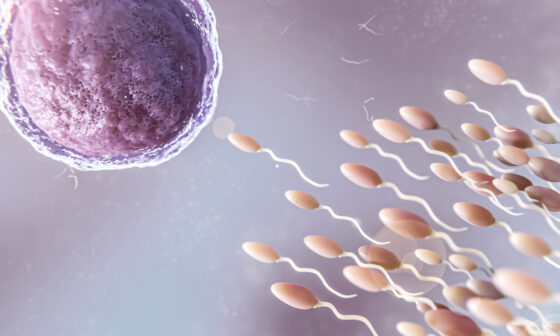
While much focus rests on the egg, sperm health equally contributes to IVF success. Poor sperm quality — including low motility, abnormal shape, and DNA fragmentation — can lead to:
- Reduced fertilisation rates
- Embryos that fail to develop
- Lower-quality embryos that don’t implant
Understanding sperm health through detailed testing helps fertility specialists tailor procedures — such as ICSI — to improve outcomes in future cycles. (sishufertility.com)
Comparison: Key Biological vs. Environmental Causes of IVF Failure
To help you see the differences clearly, here’s a quick comparison of the top contributing factors:
| Category | What It Affects | Examples | Typical Impact |
|---|---|---|---|
| Egg Quality | Fertilisation & embryo viability | Age, chromosomal abnormalities | High |
| Embryo Implantation | Attachment to uterus | Endometrial receptivity issues | Very High |
| Uterus Structure | Implantation surface | Fibroids, polyps, scarring | Moderate–High |
| Sperm Quality | Fertilisation rate | DNA damage, low motility | Moderate |
| Hormonal Balance | Implantation preparation | Progesterone/estrogen imbalance | High |
This table illustrates how interconnected each factor is — and why pinpointing a single cause can be complex without professional evaluation.
Your Emotional Response — Valid & Understandable
If your first IVF cycle didn’t work, the emotional impact can be devastating. It’s normal to grieve, feel confused, or even blame yourself. But it’s important to remember:
- IVF doesn’t guarantee pregnancy — even with perfect labs and protocols.
- Cycle failure doesn’t mean future attempts will also fail.
- Many people achieve success on later rounds after troubleshooting the underlying causes.
The reality is that IVF is a probability game — not an automatic fix every time. Emotional support is a critical part of your journey.
Going Forward: What You Can Do Before Your Next IVF Attempt
Here are actionable steps to take between cycles:
- Review Your Cycle Data
Ask your clinic for a detailed explanation of what happened at each step. - Focus on Lifestyle Support
Balanced nutrition, quality sleep, and avoiding toxins like smoking and excessive alcohol can improve egg and sperm health. (Eva IVF & Women’s Centre, Chennai) - Explore Specialized Testing
Tests like ERA (endometrial receptivity analysis) and advanced sperm DNA tests help identify hidden barriers. - Talk to a Fertility Specialist or Counselor
Emotional resilience is just as important as medical optimization.
DO FOLLOW External Resources for Credible Information
For reliable medical explanations on IVF failure, consider reading expert sources such as:
🔗 What Failure Means in IVF — Fertility Foundation explains the science behind failed cycles. https://www.fertilityfoundation.org/ivf-failure-why-did-my-ivf-cycle-fail/
🔗 Reasons IVF Fails — Eva IVF Clinic covers lifestyle and biological contributors. https://evafertilityclinic.com/reasons-why-ivf-fails/
Conclusion
Your first IVF cycle didn’t work and that doesn’t make you unusual, broken, or hopeless. There are real biological, structural, and environmental reasons why an IVF cycle may not result in pregnancy. The key is understanding which factors were at play in your cycle, and using that insight to inform your next strategy.