
Why Some Men Have Perfect Health but Zero Fertility (Medical Mystery Solved)
Introduction: The Paradox of Perfect Health but Zero Fertility
It’s a story that sounds contradictory: a man with robust health — no major illnesses, regular exercise, good diet, and normal testosterone levels — yet he cannot father a child. To many, this sounds like a medical mystery, but science is beginning to unravel the truth behind why some men have perfect health but zero fertility.
Male infertility isn’t reserved for those with apparent health problems. In fact, men can look perfectly healthy in every clinical sense yet still produce no sperm at all, a condition called azoospermia — and experts now understand that there are real biological and genetic reasons for this disconnect. (Cleveland Clinic)
This article explores the surprising science behind this paradox — from the mechanisms of sperm production to the latest research that’s solving this medical mystery. We’ll break down complex concepts into relatable, human terms while weaving credible evidence into every major point.
What It Means to Have “Perfect Health But Zero Fertility”
Before we dive into causes, it helps to understand what we’re really talking about:
- “Perfect health” usually means no chronic disease, normal organ function, balanced hormones, and a lifestyle free from extreme risk factors.
- “Zero fertility,” in this context, refers to producing no viable sperm in the ejaculate, a condition medically known as azoospermia. (Cleveland Clinic)
- Crucially, these men may still look and feel completely healthy outwardly, which is what makes their fertility issues both frustrating and puzzling.
Azoospermia affects about 1% of all men and 10–15% of infertile men, even though most don’t display obvious signs of ill health. (Hopkins Medicine)
The Biological Breakdown: How Fertility Works (So You Can Understand Why It Sometimes Doesn’t)
The male reproductive system is designed with a series of highly coordinated processes. For a man to be fertile, the following must happen:
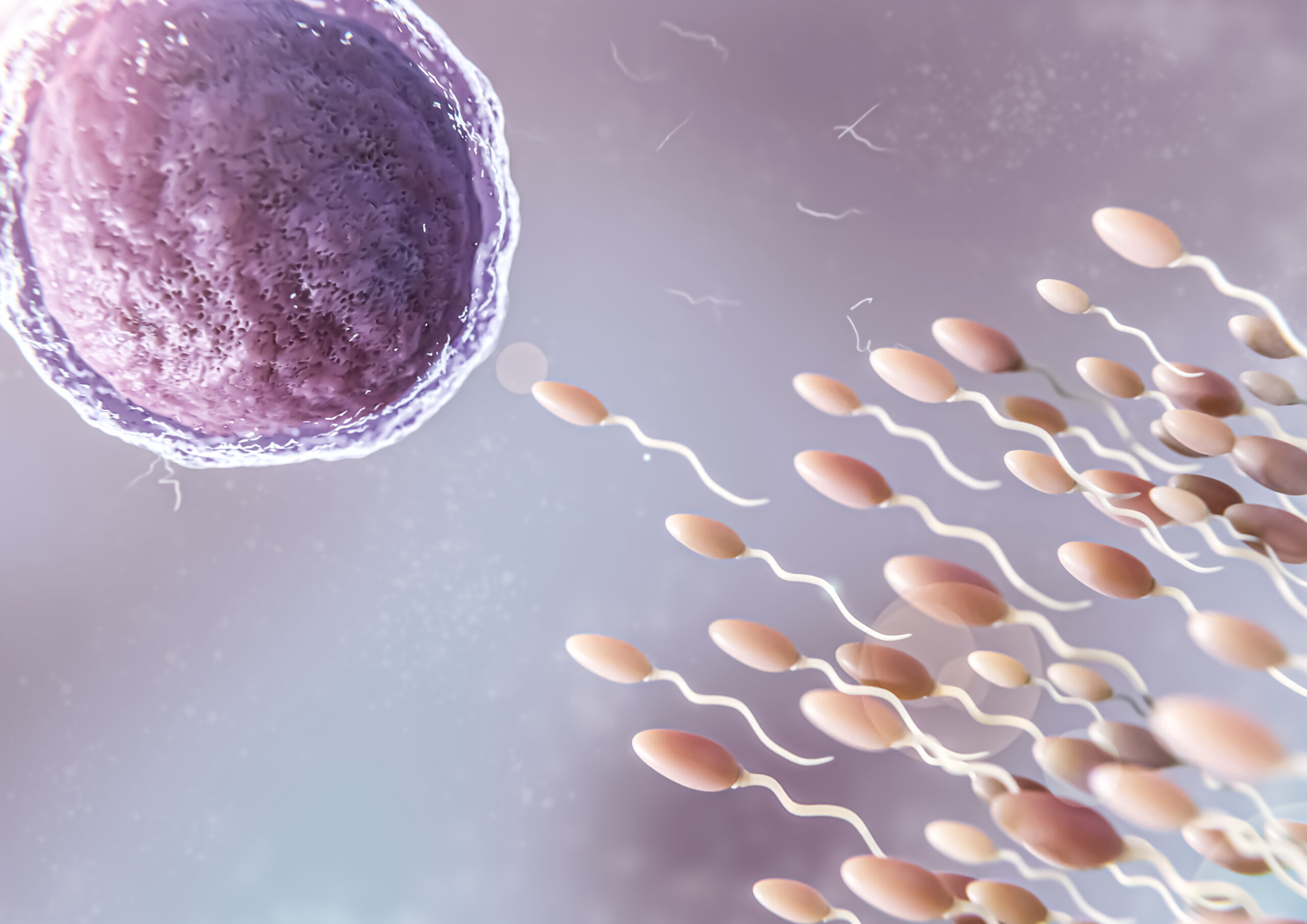
- Sperm Production (Spermatogenesis):
Testicles create sperm through a complex developmental process, requiring correct hormonal signals and healthy cellular machinery. - Sperm Maturation:
Once produced, sperm must mature fully so they can swim and fertilize an egg. - Transport and Ejaculation:
Sperm must be carried from the testicles through ducts, mixed with seminal fluid, and successfully ejaculated. (Mayo Clinic)
When any of these systems fail, it can lead to infertility — sometimes without any other visible health issues.
Major Causes Behind “Perfect Health But Zero Fertility”
Even when men seem healthy, infertility can be rooted in deep biological or genetic issues. Below are the central causes doctors identify.
1. Genetic and Chromosomal Abnormalities
One of the most compelling explanations for why some men have perfect health but zero fertility is genetic in origin. Certain genetic anomalies affect sperm production itself, even if the rest of the body functions normally.
For example:
- Y-chromosome microdeletions can disrupt regions essential for sperm development.
- Azoospermia Factor (AZF) gene deletions are strongly linked to the absence of sperm, and many men with this condition have normal outward health yet no sperm production. (Wikipedia)
These kinds of genetic causes are often silent — they don’t make a man sick in the traditional sense, but they specifically disrupt reproductive biology.
🔗 For an in-depth overview of how genetic issues can impact male fertility, see this expert resource from the Urology Health organization: https://www.urologyhealth.org/urology-a-z/m/male-infertility
2. Azoospermia — The “Invisible” Infertility Condition
The most direct reason a man can have zero fertility is azoospermia — the complete lack of sperm in semen — even when semen volume appears normal. (Cleveland Clinic)
There are two basic forms:
| Type | What Happens | Why It’s Silent |
|---|---|---|
| Obstructive | Sperm are made but cannot exit due to a blockage | May show no symptoms beyond infertility |
| Non-obstructive | Testicles don’t produce enough or any sperm | Often no outward health issues |
Obstructive azoospermia can result from abnormalities in the reproductive tract — like congenital absence of sperm-carrying ducts — even when hormones and other health markers are normal. Non-obstructive azoospermia can stem from subtle testicular functioning problems or hormonal signals that don’t trigger sperm production correctly. (Hopkins Medicine)
3. Hormonal and Regulatory Imbalance Without Apparent Symptoms
Sometimes the hormonal messaging system that controls sperm production doesn’t work properly — even though hormone levels may appear “normal” on standard tests.
The hypothalamus, pituitary gland, and testes form an intricate hormonal axis. When coordination between them falters — even subtly — sperm production can fail while other aspects of health remain unaffected. Recent endocrinological studies show this can occur even in men who otherwise feel healthy and strong. (NCBI)
This contrasts with the common assumption that hormone imbalance always manifests with fatigue, weight changes, or libido issues — which isn’t always true for infertility-specific disruptions.
4. Silent Environmental and Lifestyle Factors
Environmental exposures and lifestyle habits may not make a man feel unwell, yet they can still impair sperm production.
Examples include:
- Exposure to endocrine-disrupting chemicals in plastics or pesticides
- Heat exposure — from occupational settings or chronic laptop heat
- Long-term toxin exposure, even at levels that don’t cause traditional “sickness” symptoms (Healthy Male)
These factors often fly under the radar of regular health checks, contributing to a disconnect between “healthy” and “fertile.”
5. Sperm DNA Integrity Issues — When Looks Can Be Deceiving
A normal semen analysis (e.g., volume, count) can sometimes mask deeper problems: sperm DNA fragmentation — damage within the genetic material of sperm — which can prevent fertilization even when everything else looks normal. (Springer)
This is one reason fertility problems may appear in men who otherwise have perfect health measurements across the board.
Why This Feels Like a ‘Mystery’ — And Why It’s Actually Scientific
When you’re told you’re “healthy,” most people assume it means everything in your body is working normally. But reproductive biology is one of the most specialized areas of human physiology — and infertility often arises from very specific, silent factors that don’t show up on routine health screenings.
Doctors are increasingly acknowledging that:
- Standard health checks don’t include detailed tests of sperm genetics or DNA quality
- Many causes of male infertility don’t make a man feel unwell
- Fertility evaluation needs to become as routine for men as it is for women (MDPI)
Can Fertility Be Treated Even If a Man Has Zero Sperm?
Yes — in many cases. Modern reproductive medicine offers options:
- Sperm retrieval techniques (TESA/PESA/micro-TESE) for certain types of azoospermia
- Hormonal therapies to correct regulatory imbalances
- Genetic counselling if inherited factors are involved
- Lifestyle and environmental modifications to enhance sperm health
Even with azoospermia, assisted reproductive technologies like IVF combined with sperm retrieval can make biological fatherhood possible in many situations.
Conclusion: Real Answers for a Hidden Issue
The idea that someone can have perfect overall health but still be infertile is not a contradiction — it’s a reflection of how specialized reproductive physiology can be. Issues such as genetic anomalies, azoospermia, silent hormonal dysfunctions, and environmental influences explain why some men have perfect health but zero fertility.
Understanding this not only solves the “mystery” but also empowers men and couples to seek targeted evaluations and personalised treatment plans. Male infertility isn’t always visible through general health markers — but it is grounded in real science that clinicians are finally acknowledging and addressing.
For a reliable explanation of male infertility causes and how they affect reproductive potential, see the Mayo Clinic’s overview of male infertility, including hormonal and structural causes. 🔗 https://www.mayoclinic.org/diseases-conditions/male-infertility/symptoms-causes/syc-20374773