Introduction: When your mood keeps crashing after 40
Have you ever found yourself wondering, “Why does my mood keep crashing after 40?” Maybe you’ve noticed that once-rare irritability, sadness or fatigue seem to happen more often now. You’re not imagining it. Many people in their 40s and beyond experience sharper emotional dips, unexpected mood swings and a sense of being less in control of their inner state.
This article will explore exactly why your mood keeps crashing after 40, drawing on the latest neuroscience and mid-life psychology research. More importantly, you’ll learn a set of evidence-based, practical strategies to stabilise your emotional health, so you can move forward with more resilience, clarity and energy.
Why your mood keeps crashing after 40: the major causes
Biological and brain-based shifts
As you pass into your 40s, a number of underlying changes can contribute to emotional instability:
- Hormonal transitions: In women, the perimenopause/menopause window introduces fluctuations in estrogen and progesterone, which in turn affect mood-regulating neurotransmitters like serotonin and dopamine. (Anna Garrett)
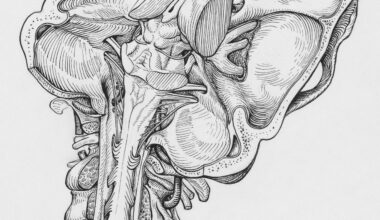
- Brain-circuit adjustments: Research shows that midlife involves shifts in neural emotion-regulation networks, especially in the prefrontal cortex (PFC) and limbic areas. (PMC)
- Increased stress on the brain: Chronic stress, life demands and reduced cognitive resources affect how your brain copes with emotion. A study found up to 20 % of adults in their 40s reported psychological distress. (Neuroscience News)
Life-context and lifestyle pressures
It’s not just biology. Your 40s tend to come with major life transitions:
- Career peaks or plateaus, role changes.
- Caring for aging parents, children becoming independent, multiple “sandwich” responsibilities. (mhcsandiego.com)
- Sleep quality often deteriorates (thanks to stress, hormones, lifestyle) and poor sleep deeply affects mood.
- Changes in identity and purpose: You may begin to question past choices or feel unsettled about what’s ahead. (HelpGuide.org)
Combining factors: why the crash-pattern emerges
When you put all these together, you have a “perfect storm”: brains that are less flexible, hormones changing, higher stress, less recovery, more demands, and your mood system can become labile. You may find your emotional baseline is lower, or your mood swings are bigger. That’s why your mood keeps crashing after 40 becomes a lived reality.
How emotion-regulation changes when your mood keeps crashing after 40
To understand how your mood can feel unstable, it helps to see the shifts in how emotions are processed and regulated in midlife.
Neural changes in emotion regulation
- The cognitive-control network (prefrontal cortex, dorsal anterior cingulate, amygdala) plays a major role in regulating emotion. With age, the efficiency of this network can decline. (jpbs.hapres.com)
- A study found that in women aged 40-60, processing emotional conflict showed more engagement of dorsolateral PFC and less amygdala activation, signalling a shift in regulation strategy. (PubMed)
- Emotion-regulation flexibility decreases: older adults may have fewer latent strategies for managing strong feelings, which can make mood swings harder to buffer. (jpbs.hapres.com)
What this means for your mood
- Instead of quick recovery after an emotional trigger, you may stay “stuck” in a low mood or irritability.
- Stressors that wouldn’t have bothered you in your 30s may now knock you off balance.
- Hormonal and brain changes mean mood dips may come unbidden, not just in response to obvious triggers.
- Because the “baseline” is shifted, you may feel more reactive, more fatigued, or more emotionally “fragile” than before.
Table: Comparison of Emotional Regulation Before and After 40
| Emotional-regulation factor | In your 30s (or earlier) | In your 40s and beyond |
|---|---|---|
| Mood baseline | Relatively higher, fewer low-mood days | Lower baseline, more frequent dips |
| Reaction to stress / triggers | Quick return to baseline | Slower recovery, longer lingering mood change |
| Neural regulation (PFC / amygdala) | Strong network flexibility | Some decrease in regulatory efficiency |
| Hormonal / body system stability | More stable | Fluctuations (menopause, testosterone decline, etc.) |
| Lifestyle and recovery demands | Often more recovery capacity | More demands, less recovery time |
| Mood-crash likelihood | Lower | Higher |
Recognising the patterns: When your mood keeps crashing after 40
Here are some signs that your mood instability is linked to midlife transition rather than just a “bad week”:
- Frequent irritability, sadness or emotional fatigue for no obvious reason.
- Big emotional swings: one moment fine, next moment overwhelmed.
- Sleep issues, fatigue, poor concentration accompanying mood shifts.
- Feeling disconnected, empty-nest syndrome, or questioning your purpose.
- Hormonal or health changes, e.g., perimenopause, changing testosterone, thyroid shifts.
- Emotion regulation feels harder: you take longer to “bounce back”.
If you see many of these, then the good news is: this is exactly the moment to take targeted action to stabilise your emotional health.
Neuroscience-backed strategies to stabilise your mood when your mood keeps crashing after 40
Here’s the heart of the matter: you can stabilise your mood, even if the crash-pattern has taken hold. These strategies draw on neuroscience, psychology and lifestyle research.
1. Build a recovery-first foundation
- Prioritise sleep: aim for 7-8 hours, maintain a regular schedule, use darkness, avoid screens. Poor sleep amplifies emotional instability.
- Manage stress load: chronic stress weakens regulatory brain networks. Consider mindfulness, breathwork or short daily check-ins.
- Move your body: Aerobic and resistance exercise boost mood, brain plasticity, and resilience.
- Nutrition matters: Anti-inflammatory diet, stable blood sugar, essential nutrients (omega-3s, magnesium) support brain mood-networks.
2. Support your brain’s emotion regulation system
- Practice cognitive reappraisal: deliberately reinterpret a negative event in a more balanced way (for example: “This change is an opportunity” rather than “I’m failing”). Neuroscience shows this recruits PFC control over the amygdala. (jpbs.hapres.com)
- Build emotion-regulation flexibility: Keep a variety of tools ready (distraction, acceptance, problem-solving, social support). Older adults with more strategies report better emotional outcomes.
- Train your brain: Activities requiring planning, novelty, challenge help maintain prefrontal networks (brain games, new hobbies, learning).
- Consider professional support: Cognitive-behavioural therapy (CBT) or mindfulness-based approaches enhance regulation systems.
3. Address hormonal and physical transitions
- For women: Understand the mood impact of perimenopause/menopause, hormonal fluctuations here directly affect emotional regulation. (Anna Garrett)
- For men: Testosterone decline, sleep apnoea, low-energy states can contribute to mood crashes. Consider testing and professional consultation.
- Rule out physical causes: thyroid, vitamin D deficiency, chronic inflammation, all affect mood regulation.
4. Design your lifestyle for midlife emotional resilience
- Meaning and purpose: Re-connect with values, reassess what matters now, not what mattered at 25.
- Social connection: Isolation weakens mood-regulation supports. Intentionally nurture friendships, family, community.
- Schedule recovery: Midlife isn’t just about doing more, it’s also about resting smarter, scheduling downtime, mobility work, nature exposure.
- Monitor and adjust: Keep a mood journal, identify triggers, track improvement. When your mood keeps crashing after 40, data helps you respond rather than react.
5. Create a personalised stabilisation plan
Here’s a sample week you can adapt when your mood keeps crashing after 40:
- Monday: Morning strength or cardio + 10-minute mindfulness before bed.
- Tuesday: Work project; midday walk; evening social check-in with a friend or partner.
- Wednesday: Brain challenge (learning a new skill or hobby); 20 min mobility/yoga in the evening.
- Thursday: Focused work; after work decompression routine (breathing, hot shower); sleep hygiene.
- Friday: Moderate cardio; end-of-week reflection, journal how you felt emotionally this week.
- Saturday: Nature or fun movement; connection time with family or friends; light evening.
- Sunday: Rest day; gentle movement; plan upcoming week; set intention for emotional well-being.
Why these strategies work when your mood keeps crashing after 40
- They align with how the brain’s emotion-regulation systems operate (PFC control over amygdala, variety of regulation strategies).
- They respect the biological and lifestyle shifts of midlife: less resilience, more recovery needed, more demands.
- They incorporate meaning and purpose, which drive emotional health just as much as brain chemistry.
- They create habit architectures, so mood stabilisation becomes the default rather than a fight.
- They reduce the mismatch between what your 30-year-old self expected and what your 40-plus self needs.
Quick checklist: If your mood keeps crashing after 40, start here
- ✅ Get 7-8 hours of quality sleep a night.
- ✅ Move for 30-minutes most days.
- ✅ Set aside 5-10 minutes daily for mindfulness or deep breathing.
- ✅ Choose one new learning/hobby challenge this month.
- ✅ Track your mood daily (just 1-2 lines: how you felt, triggers, sleep/rest).
- ✅ Schedule at least one social connection weekly.
- ✅ If you’re a woman in perimenopause/menopause or a man feeling hormonal/energy shifts, book a health check-up.
- ✅ At the end of each week, reflect: What emotional shifts did I notice? What helped?
Conclusion: When your mood keeps crashing after 40; you are not broken, you are evolving
If you find yourself asking “why does my mood keep crashing after 40?” the answer isn’t that you’re failing, it’s that the systems (brain, body, life context) have changed and your emotional regulation approach must adapt. This phase of life can feel disorienting, but it’s also a powerful opportunity.
By understanding the neuroscience behind mood regulation, by aligning your lifestyle with your brain’s needs, and by designing realistic strategies for recovery, connection and meaning, you can move from mood-crashes to emotional resilience. Your 40s and beyond don’t have to be a decline in mood or energy, they can be the decade you stabilise, refocus and thrive.
Start today. Recognise your mood isn’t just “off, it’s signalling a shift. Meet it with kindness, strategy and insight, and you’ll build a foundation for lasting emotional health.